
Welcome New Board Members, Chloe, Reid, and Chris!
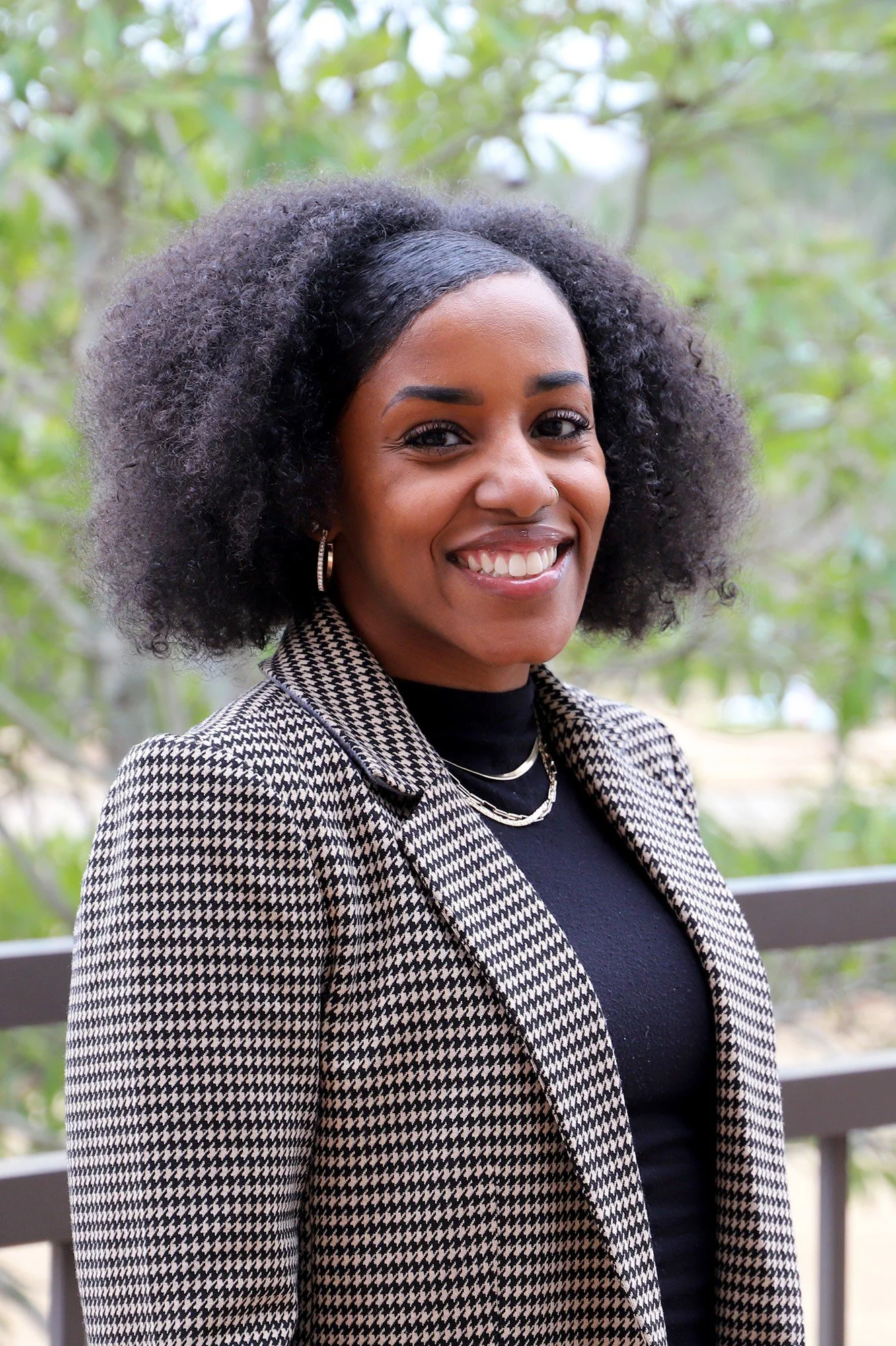
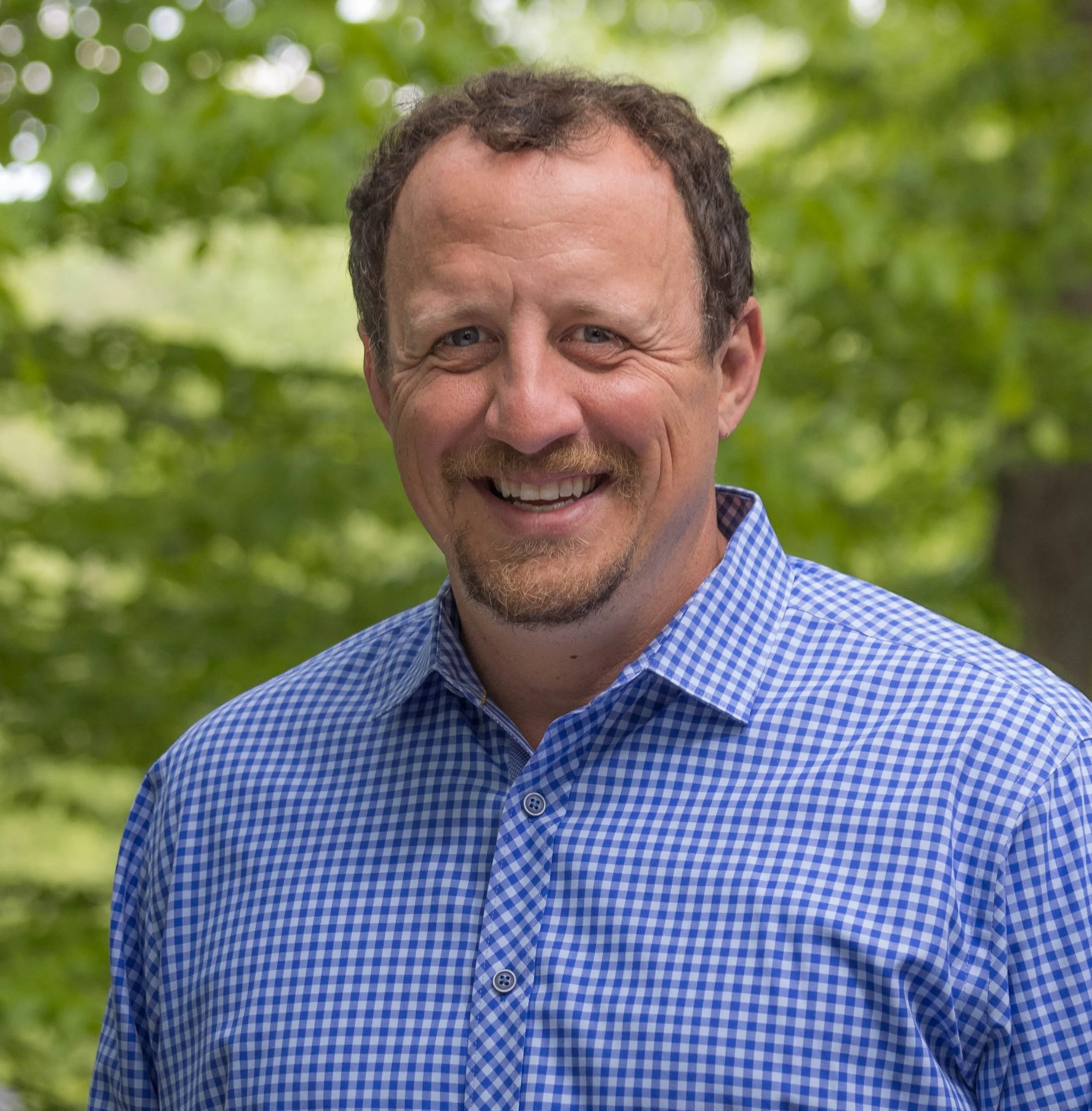
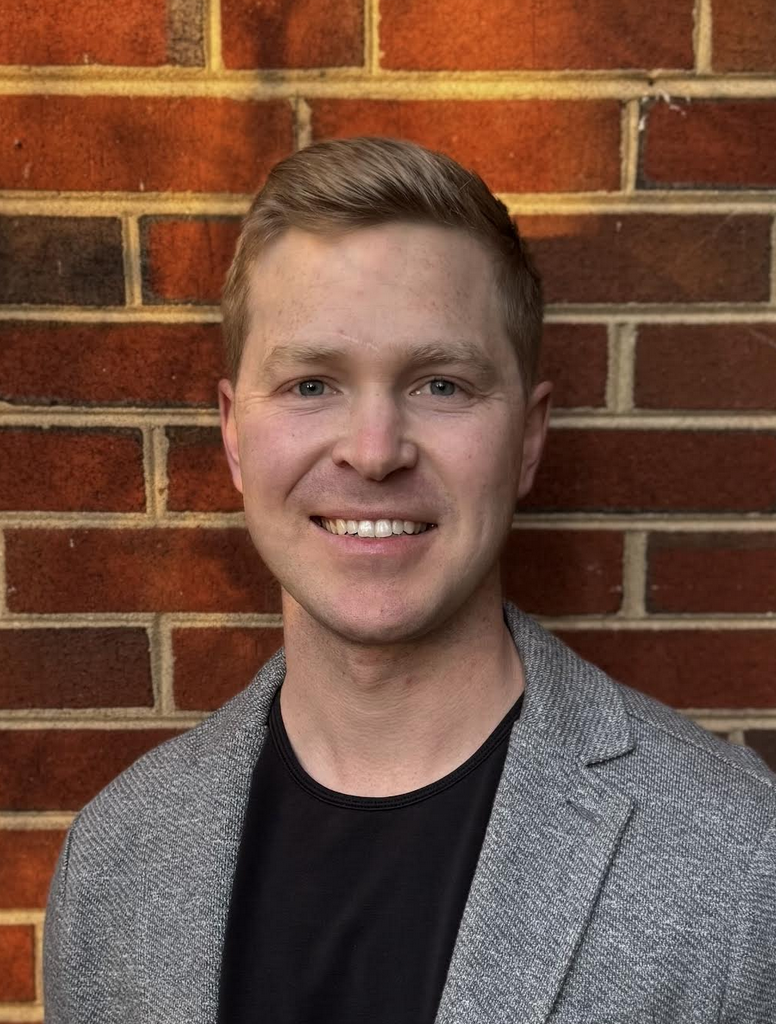
We are glad to share the news that three new board members have joined us! Culmore Clinic is governed by a volunteer Board of Directors from the local community who are passionate about the mission of the organization and whose work on behalf of the organization is strategically aligned with the Clinic’s goals. These three fine folks are no exception. Please welcome Chloe Jones, Reid Voss, and Chris Clayton. We had them tell us a bit about themselves. Have a read below….
1. What drew you to Culmore Clinic specifically, and what is it about serving Fairfax County's safety net community that resonates most deeply with you?
Chloe: I found out about Culmore Clinic through a close friend who started as a volunteer and is now a board member. I instantly felt drawn to the clinic simply due to it serving an important cause in Fairfax County, which is providing healthcare services to those who do not have the privilege of having health insurance. This resonated with me because I believe that healthcare should be a right, not a privilege. Once I heard about an open position on the board, I was immediately drawn to the position because maximizing the clinic's visibility, outreach, and continuation will help Fairfax County residents.
Reid: This is home. I grew up in the Culmore community and have stayed here my entire life. While I volunteer in a number of ways, I try to focus my efforts on my direct neighbors—where I can see and feel the impact firsthand. Supporting the community that shaped me is deeply meaningful, and Culmore Clinic is at the center of that work.
Chris: The Culmore Clinic provides life-changing services to thousands of people in my community, and I wanted to contribute in whatever way I could to that important work. As a lifelong Northern Virginia resident, I feel a deep responsibility to give back to the community where I was raised, and the Culmore Clinic offers the perfect opportunity to do exactly that.
2. As a new Board member, what unique skills, experiences, or perspectives do you hope to contribute to help Culmore Clinic grow and strengthen its impact?
Chloe: As a new board member, I hope that my research background in community engagement and health promotion in underrepresented populations transfers to this position. I believe my experience and skills in developing health programs, communicating health outcomes, and identifying and addressing barriers to healthcare can help strengthen the impact of the clinic.
Reid: I bring an entrepreneurial mindset and a strong bias toward action. I’m someone who enjoys rolling up my sleeves and getting things done. I’ve built businesses and supported nonprofits, so I understand both execution and philanthropy. I hope to help the Clinic grow by combining strategic thinking with practical, results-driven work.
Chris: As a policy professional, I understand how local, state, and federal policy shapes the environment in which the Culmore Clinic operates. As a local resident, I also bring firsthand knowledge of the area and established networks that could benefit the Board.
3. What do you see as the most pressing challenges facing uninsured and underserved residents in Fairfax County, and how do you think Culmore Clinic is positioned to address them?
Chloe: In today’s political climate, fear is a significant barrier to serving uninsured residents and families in our community. Many individuals may hesitate to seek care from the clinic because they worry their participation could lead to unintended consequences. Culmore Clinic can help address these concerns by increasing its visibility and trusted presence in the community through outreach efforts, partnerships, and clear communication. Most importantly, the clinic can reassure residents that it is a safe and welcoming space where seeking care will not jeopardize their immigration status.
Reid: No one should have to choose between paying rent and taking care of their health. Yet for many in our community, that’s a daily reality. The financial strain is significant, and healthcare often becomes a secondary priority. Culmore Clinic plays a critical role in easing that burden—helping ensure that access to care is not one more obstacle families have to overcome.
Chris: As federal healthcare policy shifts greater responsibility onto state and local governments, organizations like the Culmore Clinic become even more essential. When families lose insurance coverage and premiums continue to climb, the care the Culmore Clinic provides can be truly lifesaving, relieving pressure on the broader healthcare system and improving outcomes for everyone.
4. Nonprofit board service is a meaningful commitment — what does being a steward of this organization's mission mean to you personally, and what does success look like to you in this role?
Chloe: Being a member of the Culmore Clinic's board is a meaningful experience for me as this allows me to have a more direct impact on healthcare for residents beyond a research study. The clinic serves as a long-standing organization supporting underserved residents in which its mission and work is ongoing, unlike many research studies that come to an end after a grant is complete. In this role, success looks like growing the clinic's visibility, outreach capacity, and increasing return rates of our current and future patients.
Reid: Being a steward of this mission means taking real responsibility for improving lives in the community I call home. Success can be measured one person at a time—every individual served is a win. At the same time, the broader goal is to move toward a reality where healthcare is a right, not a privilege, for everyone in our community.
Chris: Success in this role means bringing my skills and experience to help the Board guide the clinic through the significant challenges of its move to a new location, while continuing to provide critical services to its patients.
5. Is there a story — whether from your own life or someone you know — that has shaped your belief in the importance of accessible healthcare for all, regardless of income or immigration status?
Chloe: Having morals has shaped my belief in the importance of accessible healthcare in the United States. It's simple. People should not be turned away based on their socioeconomic or immigration status. The resources exist in this country to be able to take care of all of its residents, yet access to healthcare remains an issue. Thank you to the Culmore Clinic and other free clinics that exist and acknowledges that all humans deserve and have the right to be healthy and access healthcare.
Reid: Health scares and diagnoses are something we all encounter, but the experience differs dramatically depending on your means. Some worry about long-term outcomes and quality of life, while others worry about whether they can afford treatment or miss work. I’ve seen this firsthand—while managing a restaurant, staff members would come to work severely ill because they had no access to care and couldn’t afford to lose income. That should never happen, and it underscores why accessible healthcare is so essential.
Chis: I don’t have a specific story to tell, but I hold a deep conviction that healthcare is a right and that we have a collective responsibility to protect the most vulnerable among us, ensuring that every person can access the basic care they need to live a healthy and fulfilling life.